What Changed in Meta Advertising?
- Anatolii
- 31 окт. 2025 г.
- 3 мин. чтения

Обновлено: 8 дек. 2025 г.
Andromeda Explained for Advertisers (2025 Guide)
Short answer
Meta fully changed how ads are selected for delivery.
Audience targeting is no longer the main optimization layer.
Creative-to-audience matching is.
This change is powered by Meta’s internal system called Andromeda.
What Is Andromeda in Meta Ads?
Andromeda is Meta’s core ad delivery infrastructure, not a campaign type.
It is a deep neural network that:
Analyzes how users interact with ads
Decomposes creatives into behavioral signals
Matches creative attributes to users automatically
In practical terms, Andromeda decides:
Which creative should be shown to which user — before classical metrics like CPA or ROAS exist.
When Did Meta Roll Out Andromeda?
Andromeda rollout timeline:
Spring 2024 — Private beta with large advertisers
December 2024 — Quiet public rollout
July 2025 — Most accounts experienced delivery changes
October 2025 — Global rollout completed
Meta never announced Andromeda publicly. The system was introduced gradually inside the existing ad infrastructure.
How Meta Advertising Worked Before Andromeda
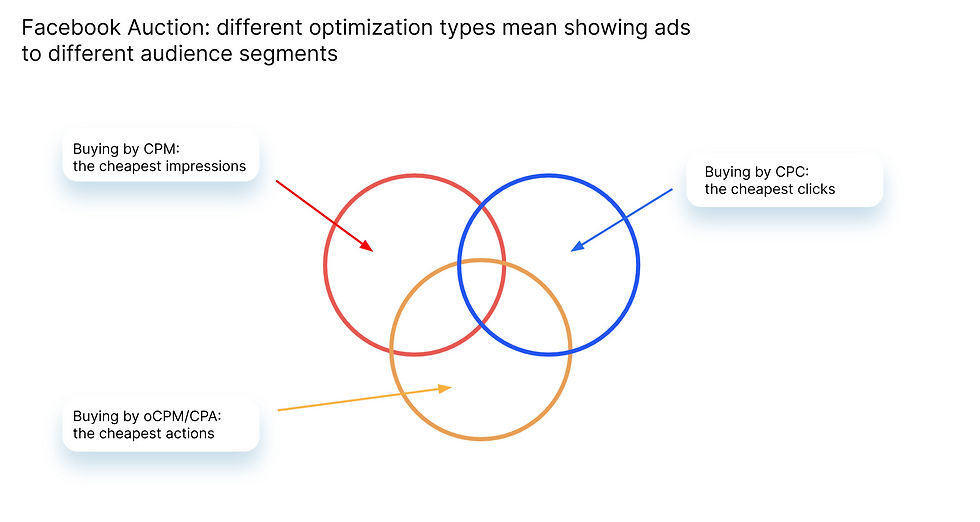
Before Andromeda, Meta ads were audience-first.

Old optimization model:
Advertiser selected audiences (interests, Lookalikes)
Machine learning expanded reach inside those audiences
Creative was optimized after delivery started
Typical setup before:
Many campaigns
Many ad sets
Hyper-segmented audiences
Lookalike audiences (1% being most effective)
Up to 50 ads per ad set
This model relied on who you targeted first.
What Changed With Andromeda?
Core change: priority inversion.
Before | Now |
Audience → Creative → Results | Creative → Audience → Results |
Targeting skills dominant | Creative diversity dominant |
CPA / ROAS optimization | Delivery & interaction optimization |
Andromeda evaluates creative signals first, then finds users likely to respond to those signals.
Why Many Meta Ads Now Get Zero Delivery
This is one of the most common Andromeda effects.
Reason: creative similarity suppression
When multiple ads share similar signals (visuals, pacing, messaging), Meta:
Selects one ad as a representative
Concentrates spend on it
Suppresses similar ads
How to identify this in Ads Manager:
One ad receives most of the spend
Other ads receive almost no spend
Meta suggests “Related Media” inside the winning ad
This means:
Meta considers those ads functionally identical.
What Meta Now Considers “Different” Creatives
Andromeda does not care about:
New copy lines
New fonts
New backgrounds
Slight hook variations
These are not different creatives to the system.
What actually counts as creative diversity (angles):
An angle is a distinct creative approach based on meaning, not appearance.
Valid angle changes include:
Pain-focused vs outcome-focused (“Point B”)
Educational vs emotional framing
POV UGC vs scripted narrative
Founder-driven vs customer-driven
Objection-handling vs aspiration-driven
Different angles = new signals for the algorithm.
How Creative Strategy Changed Under Andromeda
Old Creative Process
Find one winner
Iterate variations
Optimize micro-details
New Creative Process
Produce multiple distinct concepts
Let Meta learn how each concept maps to users
Scale diversity, not repetition
You can now upload up to 10 different creatives inside a single ad — Meta evaluates them independently.
How Meta Matches Creative to Audience Now
Andromeda analyzes:
Visual style
Hook behavior (first seconds / first frames)
Emotional trigger
Message intent
Interaction probability
It then matches those signals with:
User behavior patterns
Engagement history
Contextual likelihood to act
This matching happens before CPA, ROAS, or CTR stabilize.
Why CPA and ROAS Became Lagging Indicators
CPA and ROAS:
Reflect what already delivered
Do not explain why delivery happened
Appear after optimization decisions
Under Andromeda, advertisers need leading indicators:
Is the creative unlockable?
Is Meta expanding reach?
Is delivery collapsing into one ad?
This is why creative diagnostics matter more than pure performance metrics.
How Winning Teams Now Produce Meta Creatives
Effective creative production systems include:
Idea Generation
Scraping competitor ads at scale (Ads Library + AI)
Customer development interviews
AI transcription and analysis of sales calls
Mining objections and phrasing used by real users
Filtering
Remove ideas that duplicate existing angles
Prioritize emotional and structural contrast
Production
Change structure, pacing, format — not just copy
Treat each creative as its own hypothesis
Talent Pool
Multiple actors / faces matter
UGC diversity creates signal diversity
Agencies with creator rosters scale faster
Non-Obvious Meta Ads Changes Under Andromeda
Retargeting is no longer always superior
Manual placement selection rarely helps
Fewer campaigns + fewer ad sets perform better
Data density inside an ad set matters more than structure complexity
Key Takeaway
Meta ads did not stop working.
The optimization layer changed.
Audience targeting became background logic
Creative became the primary input
Diversity replaced iteration
Production systems replaced guesswork


Комментарии